
In Karachi, Water Tank cleaning is not just a service—it’s an essential requirement. Most of the water supply in Karachi is not the cleanest and all water tanks develop algae, sediment, and bacteria over time. When you don’t have your water tank cleaned and maintained, you can have issues with water quality and health risks due to contaminants that flourish in your water tank.
That’s what this article will cover: why tank cleaning is important, what the process looks like, and how to identify a trustworthy company to handle the cleaning. So let’s dig a little deeper.
Why Clean Your Water Tank?
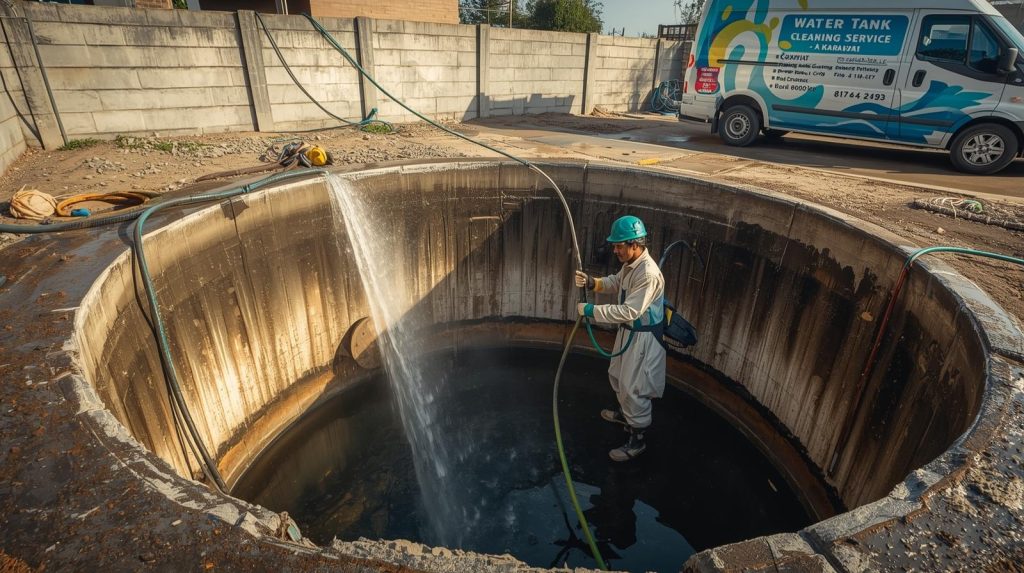
In Karachi, municipal water often enters homes with microscopic contaminants, chlorine byproducts, and organic particles. Even if the water is “treated,” once it sits in a tank, it can collect dust, debris, and microbial growth. Over time, sludge builds at the bottom, and the walls may show green or brown slime from algae.
If you drink or use water from a dirty tank, you risk infections like diarrhea, typhoid, and skin problems. Appliances like pumps and heaters may clog or corrode faster. Also, water may start to smell or taste bad, or appear cloudy. These are clear warning signs you need tank cleaning.
2. How Often to Clean a Tank in Karachi
Frequency depends on tank size, location, and water quality. In general, homes should clean overhead or underground tanks at least twice a year. In Karachi’s hot, dusty climate, every 3 to 4 months is safer. Commercial or institutional tanks, storing large volumes, may need cleaning every 1 to 2 months or quarterly.
Factors to consider include: how many people use the water, how long water stays in storage, and whether the tank has protective covers or filters. If your neighborhood’s water supply is unstable or you face frequent supply cuts, more frequent cleaning is wise.
The Water Tank Cleaning Process
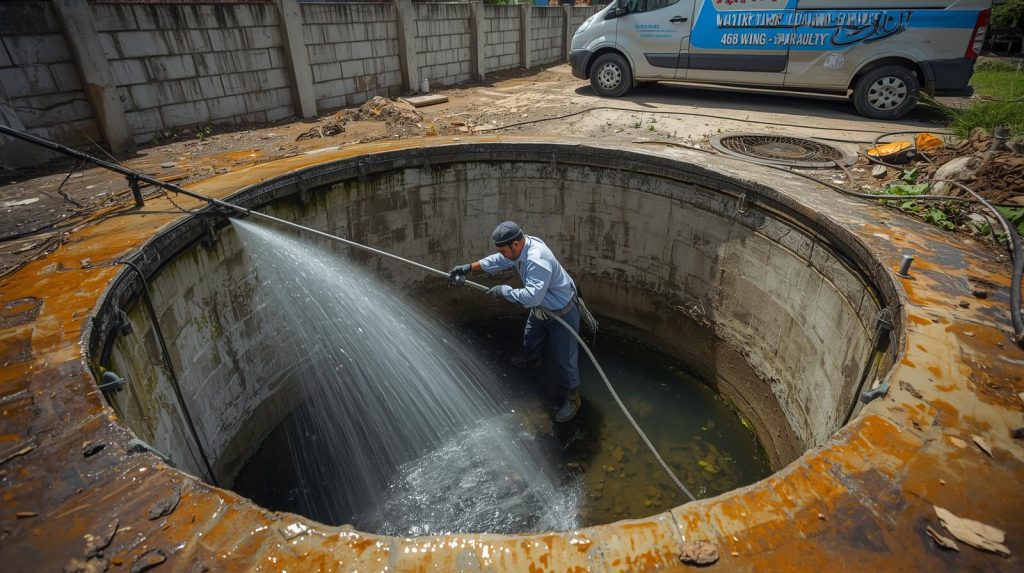
Cleaning a water tank is a precise job. Each step must be done carefully to avoid contamination or damage.
First, inspection. A technician checks for cracks, leaks, rust, or visible growth. They note sediment levels and areas that need extra scrubbing. Next, draining almost all water, leaving a little to avoid structural stress. The dirty water must be disposed of safely without harming drains or soil.
Then comes manual scrubbing of all walls, floors, and corners. Brushes or scrapers remove biofilm and grime. For tougher deposits, pressure washing might follow. After cleaning, disinfection is done using safe chemicals—typically chlorine in correct dilution or hydrogen peroxide.
The tank is then rinsed thoroughly to remove residual chemicals. Finally, the tank is filled again with fresh water and reconnected to plumbing. Quality checks including pH tests or residual chlorine measurements ensure safety.
Types of Tanks We Clean
Karachi homes and buildings use several tank types. Cleaning methods vary per type.
By material, we clean concrete, plastic (polyethylene or PVC), steel, and fiberglass tanks. Concrete tanks need cautious brushing to avoid damaging surfaces. Plastic tanks are easier to scrub but vulnerable to strong chemicals. Steel and fiberglass need special care for corrosion or laminate safety.
By location or usage, we handle overhead tanks, underground cisterns, residential tanks, multi-storey building tanks, and industrial or institutional storage tanks. Overhead tanks are easier to access but more exposed to heat. Underground tanks require safe entry and light. Large tanks in offices or factories may need scaffolding, more manpower, or specialized equipment.
DIY vs Professional Cleaning
Doing it yourself saves money, but risks exist. Many homeowners use bleach or disinfectants without measuring correctly. That can leave harmful residue or fail to kill microbes. Missing a corner or improperly rinsing leads to recontamination.
A professional service brings training, gear, and safety protocols. They use correct dilution, test residuals, and handle waste properly. They inspect tank integrity and repair small issues. For tanks over certain sizes or in multi-storey buildings, DIY is impractical or unsafe. Hiring professionals yields better, safer results and peace of mind.
What Makes a Reliable Tank Cleaning Service in Karachi
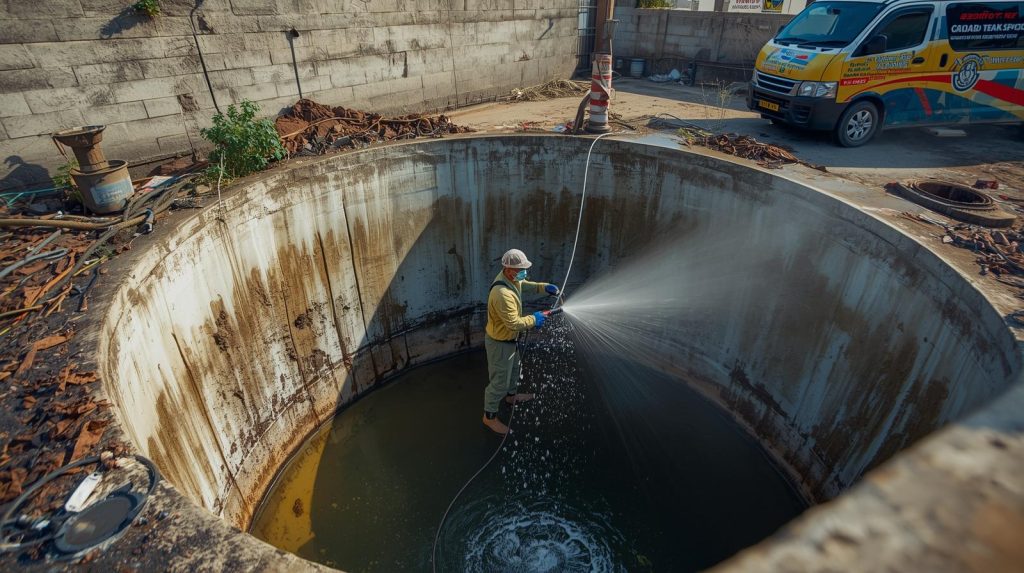
Choosing a good water tank cleaner involves checking credentials and service quality. First, ensure they have licenses or permits from local municipal health departments. Ask about experience—how many tanks they’ve cleaned in your area.
Look for staff training and safety gear. They should use masks, gloves, and boots, and follow safety rules like confined-space procedures. Their equipment—brushes, high-pressure washers, pumps—must be modern and well-maintained.
Also, the company should offer transparent pricing—no hidden fees. They should show you before and after photos or case studies. Good services often publicize customer testimonials or references from Karachi neighborhoods. Emergency or same‑day service is a plus. Finally, they should dispose of wastewater responsibly and avoid harming local drains or environment.
Why Choose Our Service for Water Tank Cleaning in Karachi
We have cleaned hundreds of tanks across Karachi’s zones: Clifton, Gulshan, North Nazimabad, DHA, Shah Faisal Colony, and more. Our team is trained in confined-space safety, uses food‑grade disinfectants, and conducts water testing after cleaning.
We provide free inspection before quoting. Our rates are transparent: no surprise charges. We offer regular maintenance contracts—you schedule cleaning at safe intervals, and we remind you. Many clients mention how water quality improved in taste and clarity after our cleaning. We back our work with a satisfaction guarantee: if you see issues within a week, we’ll re-clean free.
Case Study: Apartment Block in Saddar
In late 2023, a 20‑unit apartment building in Saddar complained of foul-smelling water and blocked taps. We inspected their overhead and underground tanks. The underground tank had 3 inches of sediment, algae growth on walls, and rust spots in metal connectors.
We drained, scrubbed, pressure washed, and disinfected both tanks over two days. After completion, we tested residual chlorine (0.2 mg/L) and pH (7.4). Tenants reported clear water, no odor, and better pressure. Maintenance continued every 3 months. The building manager said:
“We used to see brown water and bacteria in filters. After their clean, everything changed.”
This shows what proper Water Tank cleaning in Karachi can accomplish.
FAQ”s
How long does it take to clean a water tank?
For most residential tanks in Karachi, it takes around 2 to 3 hours. Larger or commercial tanks may need more time—sometimes up to a full day, depending on the size and condition.
Can I use the water right after the tank is cleaned?
It’s best to wait a few hours. After cleaning and disinfecting, the tank is rinsed to remove any chemical residue. Once that’s done and fresh water is filled back in, it’s safe to use.
What chemicals are used in the cleaning process?
Professionals use safe, food-grade disinfectants like chlorine solution or hydrogen peroxide. These are carefully measured to kill bacteria without harming your health.
How much does water tank cleaning cost in Karachi?
Prices vary by tank size, type, and location. On average, residential cleaning starts around PKR 3,000. Larger underground or rooftop tanks in buildings may cost up to PKR 10,000–15,000.
Do you offer monthly or yearly maintenance plans?
Yes, many companies now offer scheduled maintenance plans. You can book cleanings every 3, 6, or 12 months, depending on your water usage and tank condition. It saves time and ensures your water stays clean year-round
Conclusion
Regular Water Tank cleaning in Karachi is vital for your health, plumbing, and peace of mind. It removes bacteria, odor, and buildup that degrade water quality. Whether you live in a house or manage a big building, you cannot afford to skip it. Choose a skilled, reputable service that uses safe disinfection, transparent pricing, and proper disposal. The result: clear, safe water you can trust every day