
Water systems in Karachi are at a breaking point. Many households have water tanks which are either upstairs or below. If they are not cleaned, the tank will unfortunately become a breeding site for bacteria, algae and debris. That’s why the topic of water tank disinfection Karachi is so important.
In this article you will learn about how contamination happens, when to clean, how to clean the tank, how to choose a credible service, and how to keep your water clean in between cleans. Real facts, comparison tables, and clear frequently asked questions can be found in the article as well. The objective is to provide you with knowledge you can apply immediately.
Understanding Karachi’s Water Contamination Issues
Water entering Karachi homes often travels through old pipes. Those pipes sometimes leak or mix with sewage lines. During monsoon season, flooding can cause cross‑contamination. Underground tanks may draw in dirt, worms, or rodent droppings. Overhead tanks, if their lids are loose, let dust, insects, or algae in. Chemical contaminants like heavy metals, chlorine byproducts, or industrial pollutants also pose risks. Research from the Sindh Environmental Protection Agency shows traces of lead, arsenic, and microbial pathogens in some city water samples.
Another problem is stagnation. When water sits in a tank for long durations without movement, it encourages biofilm and microbial growth. Biofilm forms on walls and hides microbes from plain sight. Once you draw water, you may not see the danger, but it is still there. Karachi’s heat makes the issue worse: warmer water speeds up bacterial reproduction.
Why Regular Water Tank Disinfection Is Non‑Negotiable
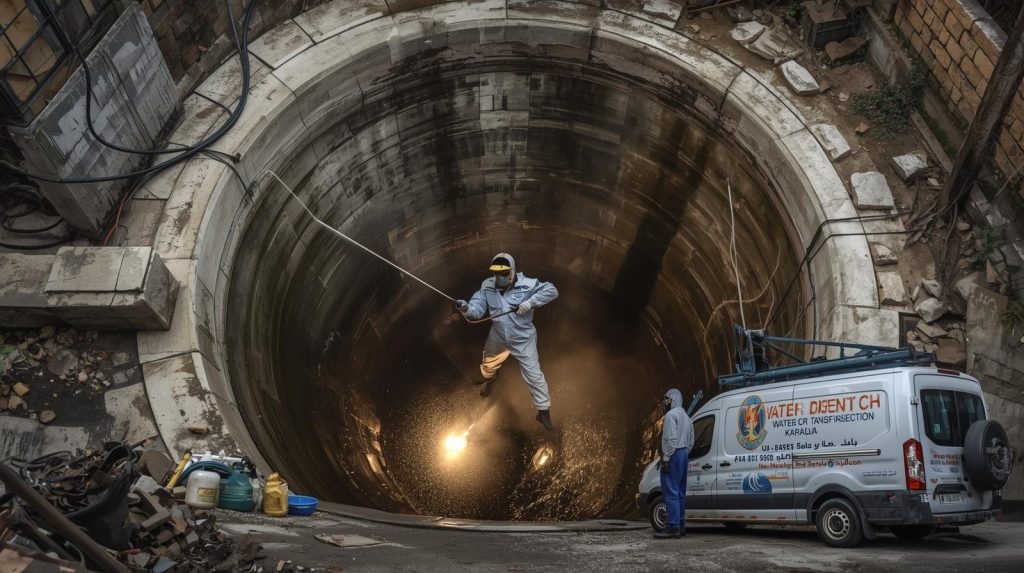
Contaminated tank water causes diseases. You risk cholera, typhoid, diarrhea, skin rashes, and urinary tract infections. According to a report by a Karachi hospital, about 30 % of gastroenteritis cases in summer had a link with home water contamination. Disinfection kills or controls microbes like E. coli, coliforms, and Giardia.
Over time, deposits like sand, silt, dead insects, and algae accumulate. These deposits shade and shelter microorganisms, making them harder to eliminate. Regular disinfection ensures that these layers are removed or treated. Without it, even new cylinders or filters can be undermined by underlying contamination. The World Health Organization recommends periodic disinfection of household water storage to maintain safe quality.
Clear Signs Your Water Tank Needs Immediate Disinfection
If your water starts smelling odd, tasting metallic or chlorine‑strong, that is a warning sign. If the water turns cloudy, brown, or has floating particles, you need cleaning. Frequent stomach upsets, especially after drinking tap water, point to hidden contamination. Bruised or stained clothes after washing can suggest high iron or microbial content in water. If fish or algae appear when you inspect the tank, that means organic growth has taken hold. Also, check for fluctuating flow or weak pressure – those often happen when sediment blocks pipes or valves. Any sign of insects, lizards, or small rodents around or in your tank is a red flag: contamination may be more than just microbial.
How Often Should Water Tanks Be Cleaned in Karachi?
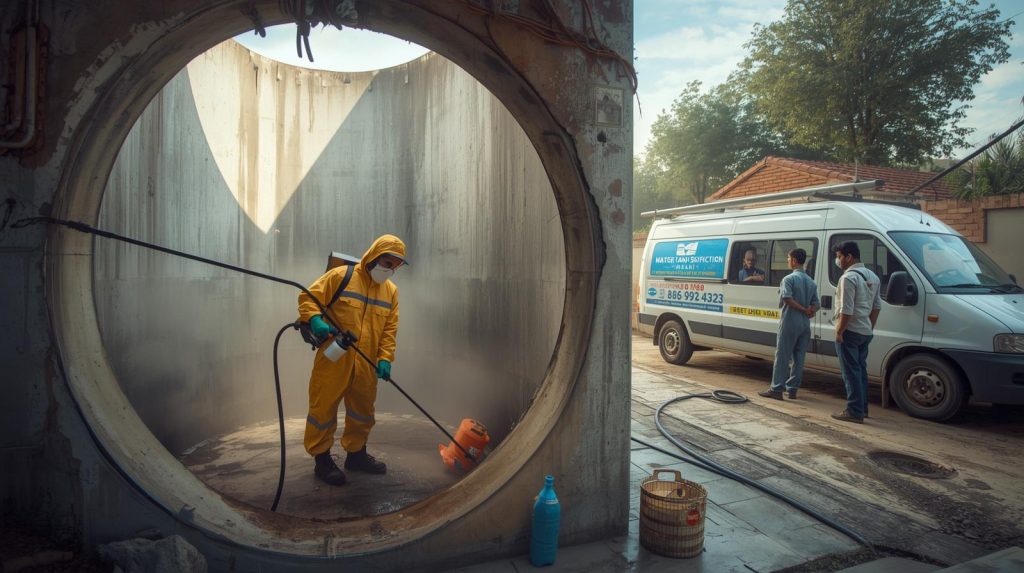
Experts generally recommend cleaning every three to six months. In Karachi’s climate, the safer interval is closer to every three months. After monsoon season, do an extra disinfecting cycle. The tank material matters: plastic tanks may need less frequent cleaning than concrete tanks, which absorb more impurities. Underground tanks often require heavier cleaning because they are more exposed to soil seepage. Overhead tanks accumulate heat, sunlight, and dust faster, so they may need more frequent attention. If your household is large or water usage is high, shorten the cleaning gap. If water passes through filters (UV or carbon) before entering the tank, that can slow down contamination and allow a slightly longer interval—but do not skip disinfection entirely.
| Tank Type | Suggested Cleaning Frequency | Special Note |
| Overhead plastic | Every 3 months | Heat, sun exposure accelerate growth |
| Overhead concrete | Every 3 months | Porous surface traps debris |
| Underground | Every 4–6 months | Soil contamination risk is higher |
| Large family usage | Every 3 months or less | More turnover demands more attention |
Step‑by‑Step Breakdown of the Water Tank Disinfection Process
First step is inspection and preparation. The service team observes the condition inside and outside your tank. They shut off water supply and drain the tank fully. Next, manual sludge removal begins. They use shovels, scrapers, or vacuum pumps to remove the thick sediment at the bottom. Then they move to high‑pressure jet cleaning. This sprays water at high force to dislodge stuck dirt and biofilm from all surfaces: walls, floor, corners. After that, it is time for chemical disinfection. Common disinfectants include food‑grade chlorine (sodium hypochlorite) or hydrogen peroxide. They dose the tank volume properly: too little and microbes survive; too much and water becomes unsafe. The disinfectant must remain for a contact time—usually 30 minutes to 1 hour. Then technicians rinse all sides until residual disinfectant is within safe limits. Finally, the tank is allowed to dry or partially ventilate before refilling. Optionally, a sample of cleaned water is tested for microbial count (coliform count) and clarity to confirm safety.
During this entire process, safety measures must be in place. Cleaners should use gloves, masks, and protective clothing. They must follow protocols to avoid chemical exposure to household spaces. Family members should stay away until disinfection is done, rinsing is complete, and tests show water is safe.
How to Choose a Reliable Water Tank Cleaning Service in Karachi
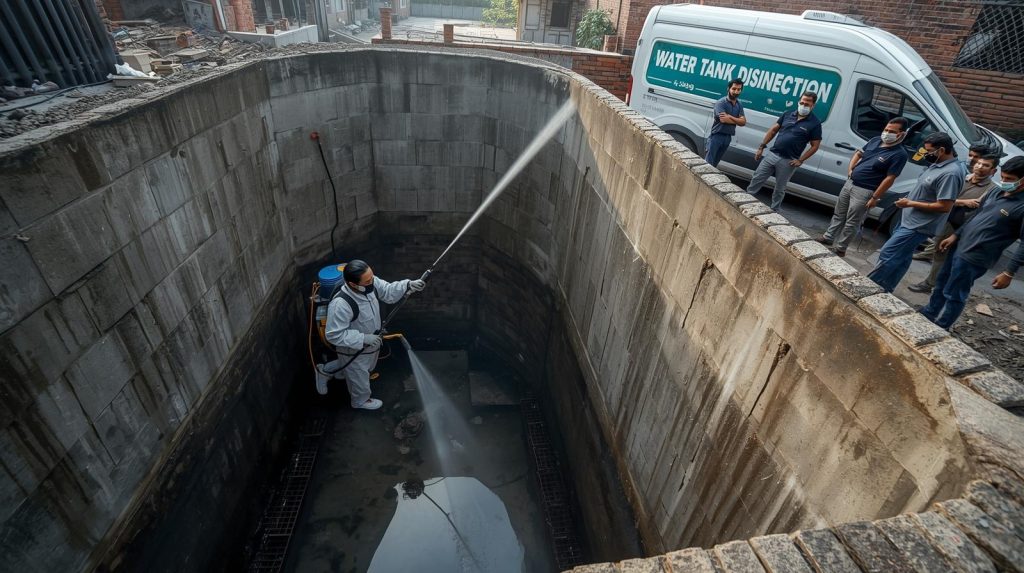
Start by checking credentials. Reliable services should employ trained technicians, not casual laborers. Ask for proof of training or certificates in water hygiene. Next, inquire about disinfectant chemicals: only use safe, approved substances with transparent usage amounts. A service worth hiring will show you “before” and “after” pictures of your tank interior. Ask for inspection reports, microbial test results, and references from prior clients in your area (Clifton, Gulshan, etc.). Check online reviews, social media pages, or local community groups for feedback. Ensure the company carries insurance in case of damage or contamination incidents. Local knowledge is valuable: a team familiar with Karachi’s water authorities (e.g. KWSB) will better handle pipeline challenges or blockages. Ask for a detailed quote with itemized costs: labor, chemical, testing, travel. Avoid services that refuse to share these details.
Compare services side by side using a table like this:
| Service Feature | Reliable Service Should Provide | Warning Sign |
| Certified technicians | Yes | None or vague credentials |
| Chemical transparency | Full disclosure of brands and doses | Secret or “special formula” |
| Visual documentation | Before & after photos | No visual proof |
| Microbial testing | Test report after cleaning | Refusal to test or share results |
| Insurance & liability cover | Yes | No insurance |
| Local experience | Familiar with Karachi neighborhoods & water issues | Company is new or unfamiliar |
Tips to Keep Your Water Clean Between Professional Services
After a cleaning, you can stretch your tank’s cleanliness if you adopt smart habits. Always keep the tank lid sealed and intact, preventing dust, insects, or rodents from entering. Install a fine mesh screen at the water inlet to filter out large particles before they enter the tank. Use a first‑flush diverter if you collect roof rainwater—this device discards initial dirty roof wash before channeling cleaner rainwater into the tank. Once a week, flush a few taps for a minute or two: this helps turn over stale water. Inspect your plumbing lines regularly for leaks, cracks, or backflow risks. Consider installing an inline UV or sediment filter before tank entry to reduce microbial or particulate load. Do occasional checks inside (with a flashlight) looking for algae, dark patches, or debris. If you see any odd changes, schedule an early disinfection rather than waiting for the full interval.
FAQ”s
How do I know if my water tank is dirty?
If your tap water smells bad, tastes strange, or looks cloudy, your tank may be dirty. Also, if anyone in the house gets frequent stomach problems or skin rashes, dirty water could be the cause. You can open your tank lid and check inside. If you see green patches, insects, or dark sludge at the bottom, it’s time to disinfect the tank.
Is it safe to use chemicals for cleaning my water tank?
Yes, as long as the chemicals are safe and used correctly. Trained cleaning services use food-grade chlorine or hydrogen peroxide. These kill bacteria and viruses but must be rinsed well before refilling the tank. Never try to mix cleaning chemicals on your own. It can be harmful if used the wrong way.
Can I clean the water tank myself at home?
You can try, but it’s not easy or safe without the right tools and safety gear. Cleaning a water tank requires strong brushes, pumps, and disinfectants. You also need to measure chemical doses correctly. If not done properly, leftover germs or too much chemical can make the water unsafe to drink.
How long does a full tank cleaning take?
Most tank cleaning jobs take around 3 to 5 hours. It depends on the tank size, how dirty it is, and whether it’s above or below ground. Large underground tanks can take longer. After cleaning, allow a few hours before using the water again to make sure it’s safe.
How often should I book water tank disinfection in Karachi?
In Karachi’s climate, you should clean your water tank every 3 to 4 months. After heavy rains, it’s a good idea to clean again. If your area has frequent water line issues or sewage smell, consider disinfecting more often. Regular cleaning keeps your water safe and prevents serious health problems
Conclusion
Water tank disinfection Karachi is not just a chore. It’s a vital step in protecting your family’s health. A clean tank means fewer germs, safer water, and peace of mind. With regular professional cleaning and simple maintenance habits, you can reduce risks and costs over time. Don’t wait for illness to remind you—commit to water tank disinfection Karachi now and maintain safe water day after day.